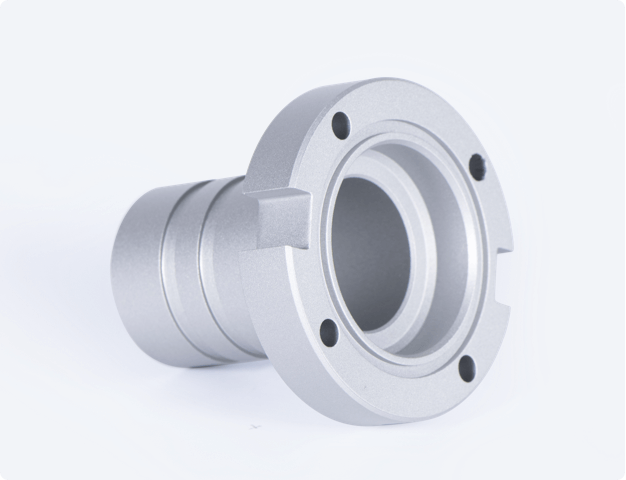
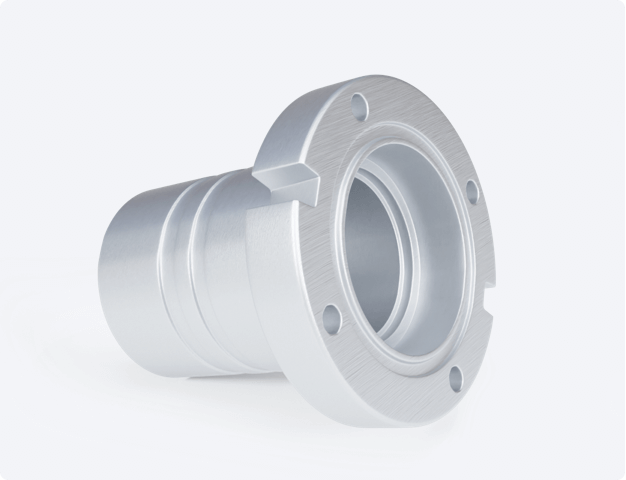
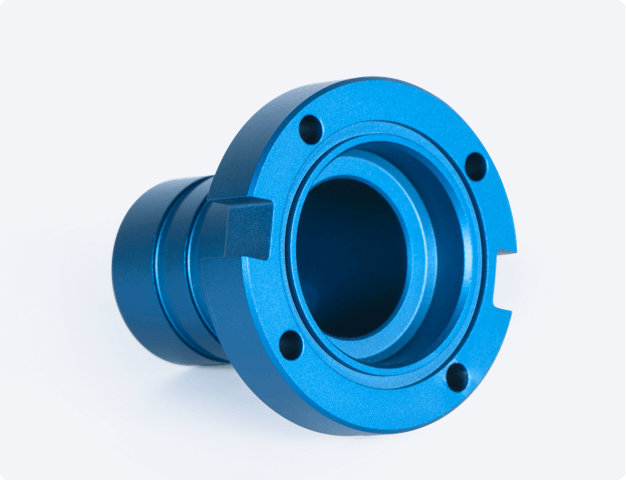
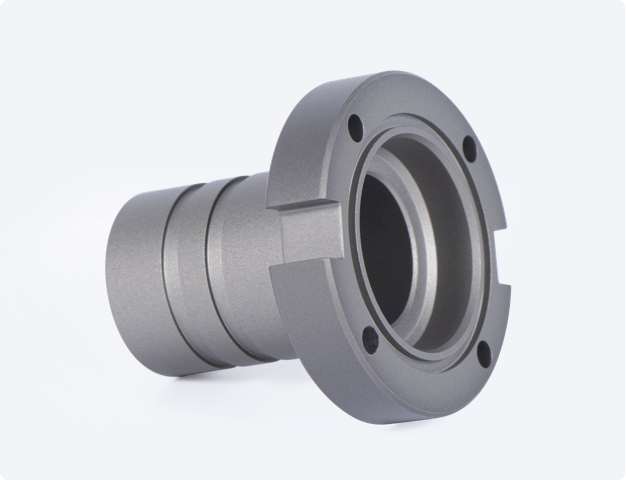

In modern manufacturing, the process from CAD design to CNC machining is indispensable for producing high-quality parts and products. 3D modelling, as a core part of this process, directly impacts the accuracy, functionality, and appearance of the final product. This article discusses the CAD to CNC process, analyses the importance of accurate 3D modelling, and shares how to optimise modelling to improve manufacturing efficiency and product quality.
I. CAD Design: Laying the Foundation for Accurate Manufacturing
CAD (Computer-Aided Design) is the cornerstone of modern manufacturing, helping designers create precise 3D models through digital tools. A high-quality CAD model not only reflects design intent accurately but also provides a reliable database for subsequent CNC machining.
1. Key Elements of CAD Design
- Accuracy: Ensure all dimensions, angles, and tolerances meet design specifications.
- Detailing: Pay attention to chamfers, threads, hole positions, and other features.
- Manufacturability: Consider machining feasibility at the design stage to avoid issues caused by complex structures.
2. Commonly Used CAD Software
- SolidWorks: Ideal for mechanical design and complex part modelling.
- AutoCAD: Widely used for 2D and 3D designs.
- Fusion 360: Supports cloud collaboration and real-time rendering.
II. From CAD to CNC: Data Conversion and Machining Preparation
Translating CAD models into CNC machining code is a critical step. Accuracy and data integrity are essential to avoid machining errors.
1. Data Conversion Tools
- CAM Software: Examples include Mastercam and NX CAM, used to generate CNC code.
- G-code Generation: CAM software converts CAD models into G-code executable by CNC machines.
2. Machining Preparation
- Tool Path Planning: Ensure tool paths avoid collisions and overcutting.
- Fixture Design: Select suitable fixtures to stabilize parts during machining.
- Machining Parameters Optimisation: Adjust spindle speed, feed rate, and depth of cut according to material properties.
III. Importance of 3D Modelling in CNC Machining
Accurate 3D modelling is not only central to design but also key to successful CNC machining.
1. Improved Machining Accuracy
- Dimensional Control: Every dimension in the 3D model can be precisely executed.
- Surface Quality: Optimised model surfaces reduce defects during machining.
2. Optimise Machining Efficiency
- Reduce Trial and Error Costs: Validate designs in a virtual environment before producing physical samples.
- Reduce Machining Time: Efficient tool path planning improves production speed.
3. Support Complex Structure Machining
- Multi-Axis Machining: 3D models enable 5-axis CNC machining for high-precision complex surfaces.
- Lightweight Design: Optimise part structure to reduce weight while maintaining strength.
IV. Practical Tips to Improve 3D Modelling Accuracy
Choosing the Right Modelling Method
- Solid Modelling: Best for mechanical part design.
- Surface Modelling: Suitable for complex surfaces.
Parametric Design
- Quickly adjust models for design changes using parametric tools.
Data Checking and Validation
- Validate model integrity and consistency with CAD software tools.
- Import models into CNC simulation software to preview machining and ensure correctness.
Team Collaboration and Data Management
- Use cloud-based collaboration platforms like Fusion 360 to enable seamless design and machining team cooperation.
- Establish standardised data management to ensure security and consistency.
V. prysen: One-Stop Solution from CAD to CNC
Choosing a professional machining service provider is crucial in the CAD to CNC process. prysen provides high-quality CNC machining services worldwide, supported by advanced equipment and extensive industry experience.
Technical Advantage
- 5-Axis CNC Machining: Handles complex surfaces and high-precision parts.
- 3D Printing and Modelling: Offers rapid prototyping to accelerate product development.
- Strict Quality Control: Every step is inspected to ensure zero defects.
Service Highlights
- Global Delivery Network: Production bases in multiple regions for fast delivery.
- Customised Solutions: Personalised processing solutions tailored to customer needs.
Summary
Accurate 3D modelling is key to ensuring product quality and manufacturing efficiency from CAD to CNC. By mastering CAD design techniques, optimising data conversion, and improving model accuracy, companies can significantly boost competitiveness. For professional CNC machining services, prysen is a reliable partner, committed to providing low-cost, efficient, and precise manufacturing solutions to help you succeed.